Your Herding Dog Isn’t Broken: Help for Border Collies, Aussies & Corgis in Gettysburg
Smart Paws Academy | Gettysburg, Hanover, Littlestown, PA
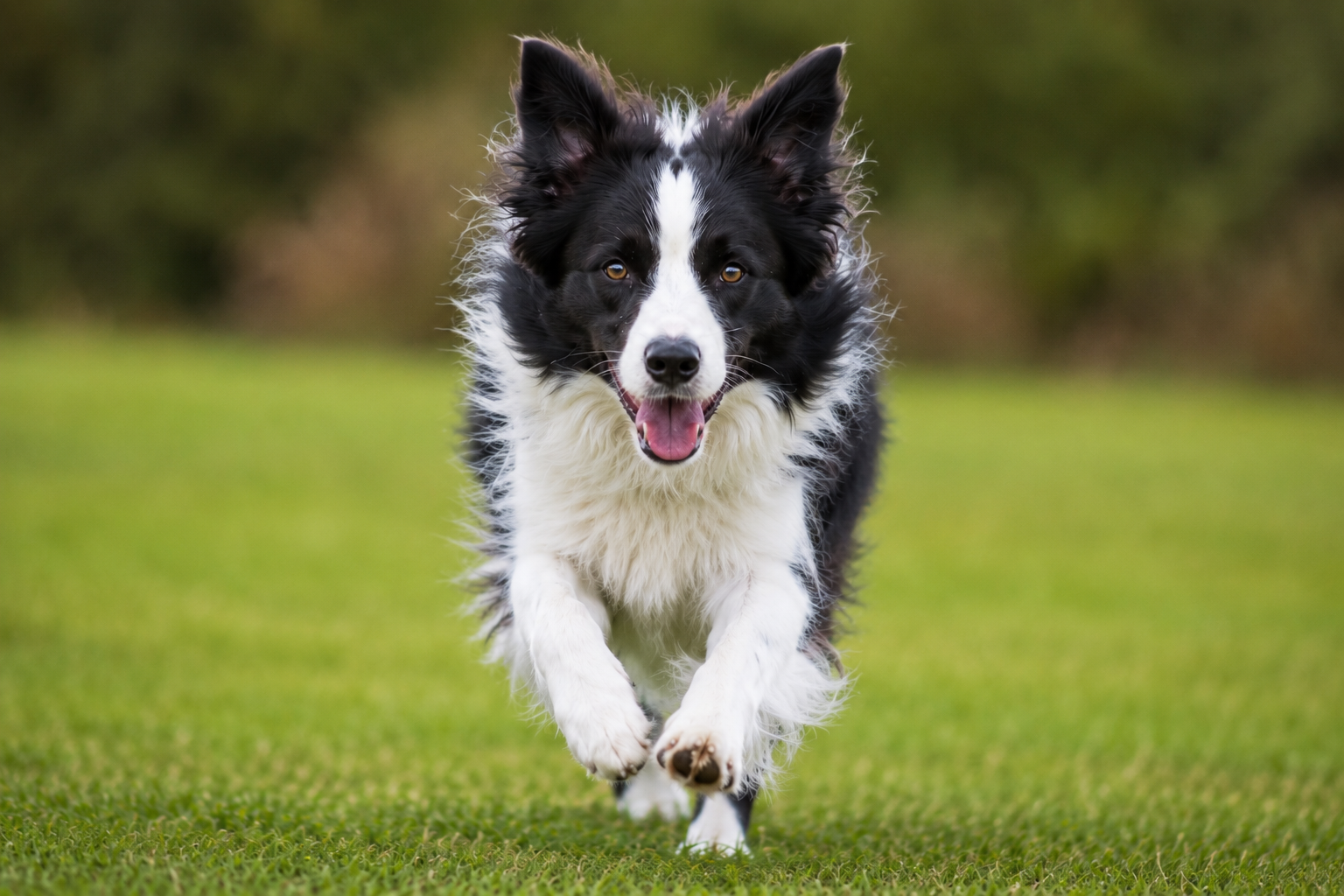
If you live in Gettysburg, Hanover, or Littlestown with a Border Collie, Australian Shepherd, Heeler, Corgi, Sheltie, Malinois—or a mixed-breed rescue who “herds” your kids—you already know how intense these dogs can be.
The stare. The nipping at heels. The endless pacing, even after a long run. It can feel like too much.
Here’s the truth: your dog isn’t broken, and you didn’t make a mistake.
They’re doing exactly what they were bred to do. You just weren’t given an owner’s manual for a working breed in a modern household.
This is the beginning of that manual, written for dog parents in the Gettysburg, Hanover, and Littlestown area who want force-free, relationship-based help.
Why Herding Dogs Behave This Way
Herding breeds were developed over hundreds of years to help people move and manage livestock. To do that job well, they needed:
Extreme sensitivity to movement and sound
The ability to read and respond to a whole group of animals
Laser-like focus on human cues
The drive to work all day, every day
Those traits didn’t happen by accident. They were deliberately selected and strengthened generation after generation.
Fast-forward to your living room.
The same traits that once made these dogs indispensable on farms and ranches can look like “problem behavior” when you’re just trying to keep the kids’ ankles safe and enjoy a quiet evening.
When you understand that, training stops being about fixing a “bad” dog.
It becomes about redirecting powerful instincts so they work for your life instead of against it.
Why Is My Dog Nipping My Kids’ Heels?
Nipping and mouthing are often the most frightening behaviors for families, especially with small children. Your dog lunges at moving feet, mouths hands during play, or makes a beeline for joggers—and it can look aggressive.
In most herding dogs, it’s instinct, not malice.
Their ancestors used quick, precise heel nips to move cattle and sheep. To your dog’s brain, a child running across the yard looks a lot like livestock breaking away from the group.
What You Can Do Today
You don’t have to crush that instinct—you can give it safer outlets and clearer boundaries.
Try:
Manage kid/dog time. Use gates, leashes, or separation when kids are running or playing chase. Let your dog watch at a distance instead of being in the middle of the action.
Offer structured tug as a mouth outlet. Use a sturdy toy, teach “take it” and “drop,” and keep sessions short and calm.
Reward calm around walking people. When someone passes slowly and your dog stays relaxed, quietly feed treats for that calm choice.
Teach a cheerful “this way!” cue. Practice it frequently in easy situations so you can use it to move your dog away before they fixate on moving feet.
With the right plan, most herding dogs can learn when their mouth is allowed to work—and when it’s time to choose a different behavior.
Why Is My Dog Obsessed with Chasing Cars, Bikes, or Kids?
Bikes, squirrels, cars, other dogs running, kids playing tag—your herding dog may seem to want to chase anything that moves.
That’s not random mischief. It’s part of a built-in pattern many trainers call the “predatory sequence”: notice, stare, stalk, chase, grab, kill. In herding dogs, the early pieces—stare, stalk, chase—were intentionally amplified, and the final “kill” part was mostly suppressed.
The chase feels amazing to them.
That’s why a simple “leave it” can work in easy moments but fall apart when something truly exciting goes by.
What You Can Do Today
You’re not just saying “no” to chasing—you’re offering a different job.
Try:
Play check-in games in low-distraction areas. Let your dog glance at something interesting, then reward every look back to you.
Teach “let’s go!” or “this way!” as a happy, practiced cue that always predicts something good with you.
Give safe chase outlets. Flirt poles, controlled fetch, or chasing a toy on a line can harness that chase drive with rules.
Work at a distance from cars/bikes where your dog can still think. Gradually move closer as their skills improve.
Over time, many herding dogs learn that turning toward you—and playing agreed-upon games—is more satisfying than chasing everything that moves.
Why Won’t My Herding Dog Ever Settle at Home?
Many owners think, “If I just exercise them enough, they’ll finally relax.”
Long walks and fetch sessions help, but they aren’t the whole picture.
Working herding dogs don’t just move all day—they think all day. They’re solving problems, reading animals, and responding to humans. Without mental work, a herding dog’s body might be tired while their mind is still racing.
What You Can Do Today
Think “brain and body,” not just “more miles.”
Try:
Short, focused training sessions. Practice attention games, simple tricks, or pattern games that make your dog think, not just move.
Nose work and puzzle feeding. Hiding food, using snuffle mats, and puzzle toys can give their brain a satisfying job.
Structured games with clear rules. For example, sit before you throw, three tosses, then a calm “all done” cue and a quiet chew on a bed.
Reward the smallest moments of calm. When your dog chooses to lie down on a mat or bed, quietly mark and feed a treat to show that rest “pays.”
With consistent practice, many herding dogs can learn that relaxing is not only allowed—it’s rewarding.
Why Does My Dog Panic When I Leave?
Herding dogs were bred to work in close partnership with humans. Their deep attachment is part of what makes them feel so special—and it can also show up as separation anxiety.
They notice the tiny cues that mean you’re about to leave: the shoes you put on, the keys you pick up, the way you move through the house. When you walk out the door, it can feel like losing their teammate.
What You Can Do Today
Separation confidence is built slowly and kindly, not forced.
Try:
Pair very short absences with special chews or food toys reserved for “alone time.”
Practice “micro departures”—stepping out for seconds, not hours—at levels where your dog stays below full panic.
Reward independent rest. If your dog chooses to lie a few feet away from you instead of right on top of you, quietly reinforce it.
Keep leaving and returning low-key. Big emotional greetings and goodbyes can accidentally increase anxiety.
More complex separation issues benefit from a customized plan and support, especially with sensitive herding dogs.
Why Positive, Reward-based Training Works So Well for Herding Breeds
When you look closely, your dog’s “worst” behaviors are really their strengths showing up in the wrong context:
Nipping = precision and drive without direction
Chasing = focus and energy without a safe job
Not settling = brain and body with nowhere to put their power
Panic when you leave = deep bond without enough confidence
Our force-free, positive training doesn’t try to suppress who your dog is.
It gives those instincts better outlets, builds skills step by step, and protects the trust between you.
For herding breeds and herding-leaning mixed-breed rescues, that trust isn’t optional—it’s the foundation of everything.
Smart Paws Pathways: A Fully Customized Program for Your Dog’s Exact Challenges
Smart Paws Academy’s Pathways program was designed specifically for dogs like yours—intense, sensitive, brilliant, and sometimes overwhelming.
If you’re in Gettysburg, Hanover, or Littlestown, Pathways offers:
In-home assessment focused on the exact behaviors you’re seeing—nipping, chasing, restlessness, separation anxiety, or reactivity.
A fully customized training and behavior plan that fits your dog’s breed, personality, and your household.
Thoughtful, relationship-based methods that protect your dog’s trust and emotional safety.
Practical management strategies so you feel more secure and less stressed right away.
Ongoing guidance and problem-solving, so you’re never left guessing what to do next.
Pathways is not a cookie-cutter program.
It’s built around your specific dog and your specific life, one step at a time.
Ready for Things to Feel Easier?
If you’re in or near Gettysburg, Hanover, or Littlestown and this post sounds exactly like your dog, you don’t have to do this alone.
You can:
Book a free, no-pressure consultation to talk through what you’re seeing.
Ask questions about what Pathways might look like for your dog.
Decide, together, on a plan that feels doable and kind.
To schedule your free consultation and learn more about the Smart Paws Pathways fully customized program, visit Smart Paws Academy and click on “Book Your Consultation.”