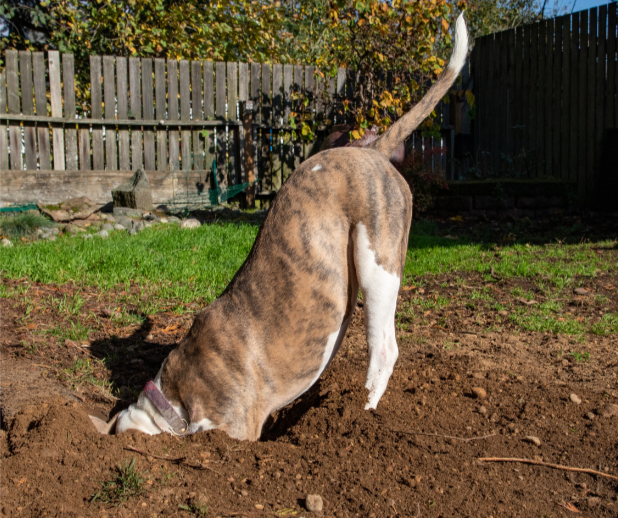
When Your Dog Turns the Backyard into a Construction Zone
Remember that old saying, “It’s a dog’s life”? It brings to mind an image of leisure — a carefree pup lounging in the sun without a care in the world. But here’s the spoiler alert: when there’s nothing constructive to do, dogs can get just as bored and frustrated as your six-year-old after three straight rainy days indoors.
And just like that child, your dog will find creative — and often destructive — ways to express that pent-up energy.
Why a Fenced Yard Isn’t the Whole Answer
You might think a fenced yard is the perfect solution: just let your dog out to play and burn off energy, right? Unfortunately, dogs don’t usually spend their outdoor time playing kickball or inventing games the way we did as kids. Left to their own devices, they’ll find their own entertainment — and it often involves tearing, chewing, or digging.
A bored dog might decide to:
Chew up your garden hose or outdoor furniture.
Dig a hole under the fence.
Bark excessively out of frustration.
Re-landscape your flower beds (not in a good way).
Dogs are social, intelligent creatures. When they’re left outside alone for long periods, they’ll try to cope with loneliness and boredom in ways that make sense to them — not necessarily to us.
Give Them a Job to Do
Here’s the good news: your dog’s creativity can be put to good use! If your pup loves to dig, don’t fight it — redirect it.
Create a dig box or a sandbox just for your dog. Fill it with dirt or sand, and bury toys, chews, or treats inside for them to discover. Encourage them to dig there by showing them where the treasures are hidden. When they start to dig in the wrong place — like your mulch bed or lawn — calmly redirect them to their designated digging zone. Praise them generously when they get it right.
Over time, your dog will learn the difference between “approved” and “off-limits” digging. It’s a fun, mentally stimulating way to satisfy a natural behavior while keeping your yard intact.
Keep It Clean and Safe
A clean yard is a safe yard. Regularly picking up your dog’s waste keeps the space healthy for both pets and people. And if you’re short on time (or stomach for the job), good news — there are local poop-scooping services that will handle it for you!
Make Your Backyard a Place for Learning and Fun
Whether your yard has a traditional fence or an invisible boundary, it can become a great place to practice good manners and impulse control. Use short training sessions, recall games, or playtime with you to create a backyard that is positive and engaging.
Remember: dogs don’t just need space — they need structure, interaction, and purpose. When you give them those things, the destructive digging and chewing start to fade, and what’s left is a happy, balanced dog enjoying a truly good life.
Remember that old saying, “It’s a dog’s life”? It brings to mind an image of leisure — a carefree pup lounging in the sun without a care in the world. But here’s the spoiler alert: when there’s nothing constructive to do, dogs can get just as bored and frustrated as your six-year-old after three straight rainy days indoors.
And just like that child, your dog will find creative — and often destructive — ways to express that pent-up energy.
Why a Fenced Yard Isn’t the Whole Answer
You might think a fenced yard is the perfect solution: just let your dog out to play and burn off energy, right? Unfortunately, dogs don’t usually spend their outdoor time playing kickball or inventing games the way we did as kids. Left to their own devices, they’ll find their own entertainment — and it often involves tearing, chewing, or digging.
A bored dog might decide to:
Chew up your garden hose or outdoor furniture.
Dig a hole under the fence.
Bark excessively out of frustration.
Re-landscape your flower beds (not in a good way).
Dogs are social, intelligent creatures. When they’re left outside alone for long periods, they’ll try to cope with loneliness and boredom in ways that make sense to them — not necessarily to us.
Give Them a Job to Do
Here’s the good news: your dog’s creativity can be put to good use! If your pup loves to dig, don’t fight it — redirect it.
Create a dig box or a sandbox just for your dog. Fill it with dirt or sand, and bury toys, chews, or treats inside for them to discover. Encourage them to dig there by showing them where the treasures are hidden. When they start to dig in the wrong place — like your mulch bed or lawn — calmly redirect them to their designated digging zone. Praise them generously when they get it right.
Over time, your dog will learn the difference between “approved” and “off-limits” digging. It’s a fun, mentally stimulating way to satisfy a natural behavior while keeping your yard intact.
Keep It Clean and Safe
A clean yard is a safe yard. Regularly picking up your dog’s waste keeps the space healthy for both pets and people. And if you’re short on time (or stomach for the job), good news — there are local poop-scooping services that will handle it for you!
Make Your Backyard a Place for Learning and Fun
Whether your yard has a traditional fence or an invisible boundary, it can become a great place to practice good manners and impulse control. Use short training sessions, recall games, or playtime with you to create a backyard that is positive and engaging.
Remember: dogs don’t just need space — they need structure, interaction, and purpose. When you give them those things, the destructive digging and chewing start to fade, and what’s left is a happy, balanced dog enjoying a truly good life.
The Power of Routine: Why Your Dog’s Internal Clock Matters
Practical advice for real life with real dogs.t all begins with an idea.
Practical advice for real life with real dogs.
Welcome to Paws for Thought! Here, we take a lighthearted look at life with dogs—sharing practical tips, feel-good stories, and gentle reminders that training is about connection, not perfection. Grab a cozy spot, pat your pup, and let’s make life together even better.
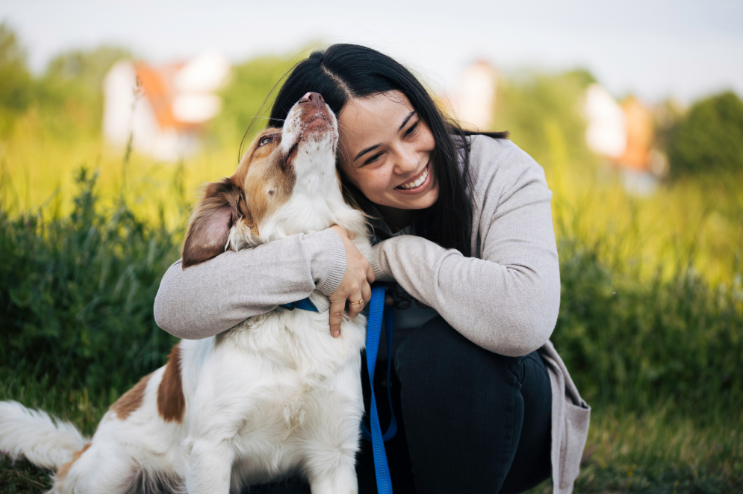
When I was a kid, it took me forever to learn to tell time. But our dogs? They seem to have it down to a science! They know exactly when it’s bedtime, breakfast time, or walk time—and if we’re even a few minutes off schedule, they’ll be the first to remind us.
How Do Dogs Know What Time It Is?
Dogs have an amazing internal clock. Their sense of time is guided by their circadian rhythm—the natural cycle that tells them when to sleep, eat, and play. It’s also shaped by environmental cues like light, household sounds, and, of course, our routines. That’s why when the clocks change in spring or fall, our dogs can get just as out of sync as we do!
Why Routine Matters
A consistent schedule helps your dog feel secure and calm. It gives them a sense of predictability—something that reduces stress, prevents anxious behaviors, and builds trust in you as their person. Dogs who know what to expect are better able to relax, focus, and learn.
Routine is also a secret weapon in training. When your dog can count on a regular rhythm—mealtime, potty breaks, walks, and training sessions—they’re more confident and cooperative. That reliability sets the stage for positive learning and good behavior.
When Life Throws Off the Schedule
Of course, life happens—vacations, daylight savings time, work changes. When your dog’s schedule must shift, make small adjustments gradually if possible. Use treats, praise, and patience to help them adapt. A little reassurance goes a long way toward keeping your pup calm and confident.
Consistency Builds Trust
Our dogs don’t expect perfection; they thrive on consistency. Each routine you maintain says, “You can count on me.” And that sense of trust strengthens the bond between you and your best friend—making for a happier, more balanced life at both ends of the leash.
At Smart Paws Academy, we help you build calm, confident dogs through positive training, structure, and connection.
🐾 Ready to create routines that work for your dog? Visit Smart Paws Academy and book your free consultation today!